Meniscus & cartilage injuries
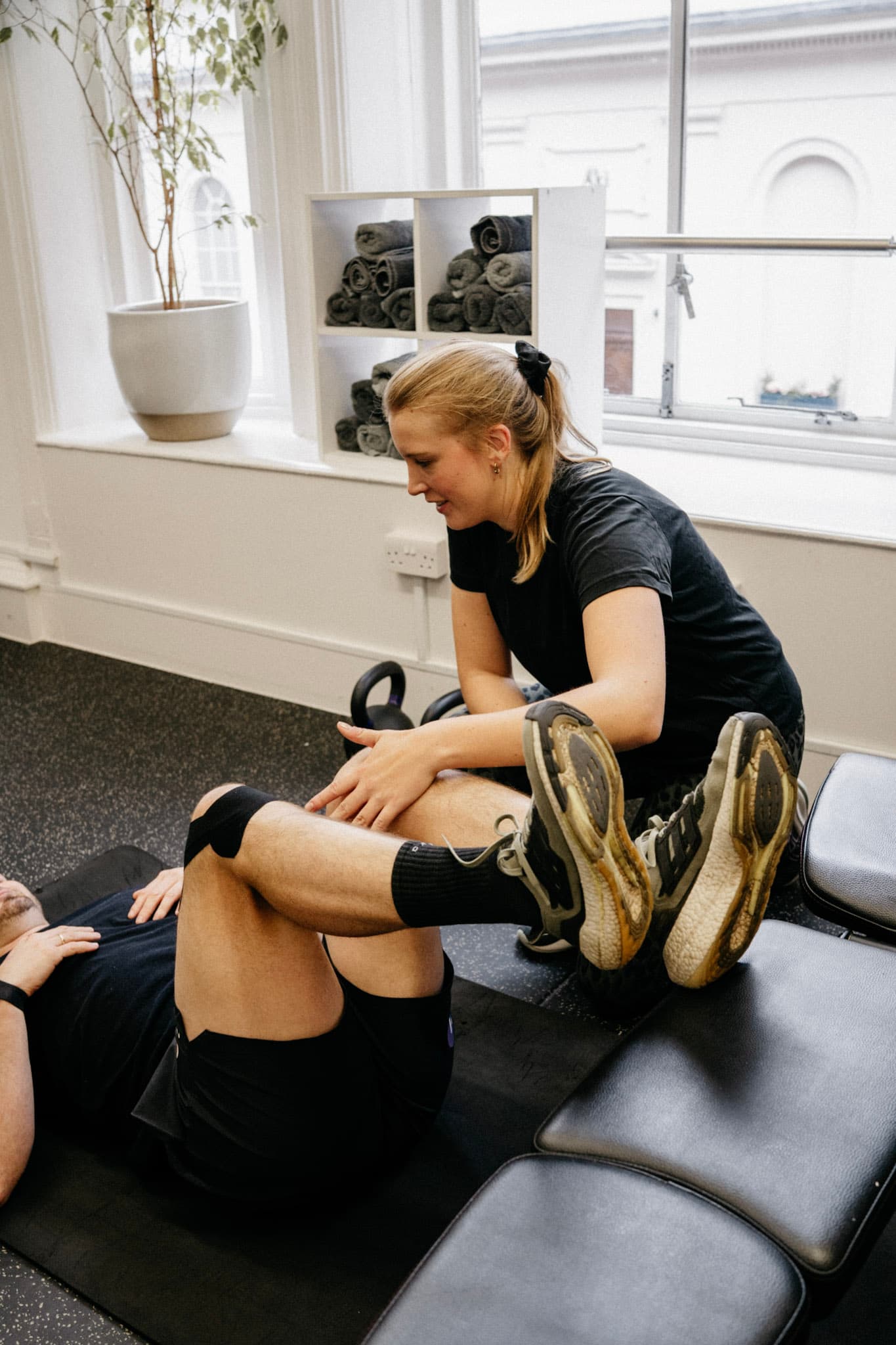
The meniscus is the cartilage that cushions and acts as a shock absorber for the knee. Tears are common in sport - through twisting or, in older knees, gradual wear. Injuries range from small tears that settle with rehabilitation to larger ones that may need a surgical opinion. Cartilage (chondral) injuries affect the smooth surface of the joint and are managed along similar lines.
Many meniscus problems respond well to physiotherapy without surgery: settling the initial pain and swelling, restoring full movement, then rebuilding the strength and control around the knee so it copes with the loads you put through it. Where surgery is needed, structured rehab before and after is what shapes the outcome. Melissa assesses the knee, explains what is going on, and builds an individualised plan around your goals.
Read more about return-to-sport & prehab at Stride.
Common questions
Can a meniscus tear heal without surgery?
Often, yes. Many meniscus tears - particularly smaller ones and those from wear rather than a major twist - settle well with physiotherapy, without an operation. Treatment focuses on calming symptoms, restoring full movement, and strengthening the muscles that support the knee. Larger or locking tears, or a knee that keeps giving way, may need a surgical opinion; a thorough assessment helps decide which path fits your knee.
How long does meniscus rehabilitation take?
It varies with the tear and whether you have had surgery. Many people managed conservatively feel substantially better within six to twelve weeks, while post-surgical rehabilitation is usually longer and staged towards return to sport. Progress is guided by how your knee responds - movement, strength and confidence - rather than by a fixed timeline.