Rotator cuff & shoulder tendinopathy
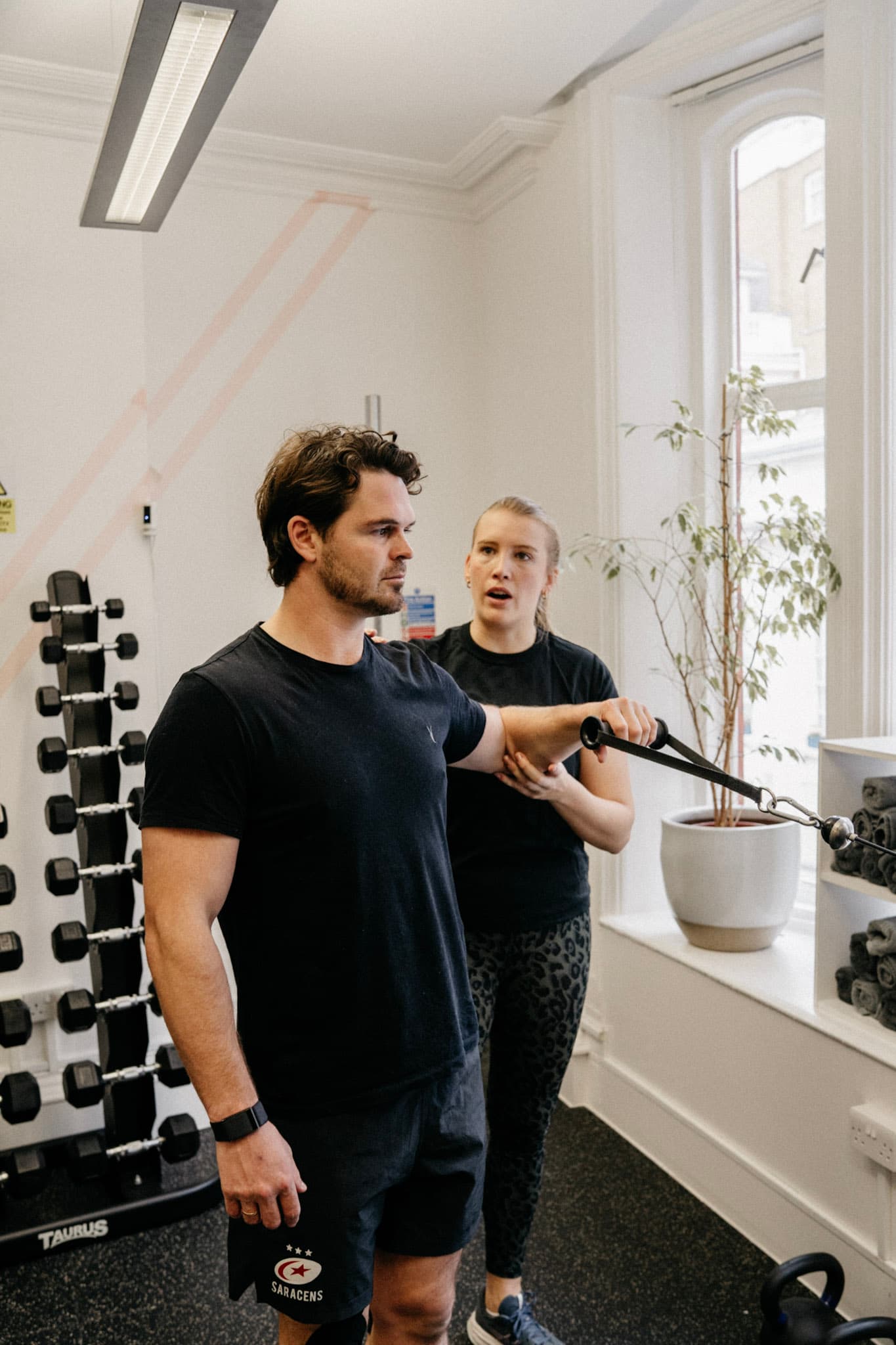
The rotator cuff is the group of muscles and tendons that control and stabilise the shoulder, and problems here - tendinopathy, impingement-type pain, or partial tears - are a common cause of shoulder pain with overhead activity, reaching, or lying on the shoulder at night. They are often related to load and how the shoulder moves, rather than a single injury.
Most rotator cuff problems are managed well without surgery. Treatment restores movement and settles pain, then progressively strengthens the cuff and the muscles around the shoulder blade so the shoulder controls load through range. Melissa assesses the shoulder, explains the diagnosis, and builds an individualised strengthening plan around your activities and sport.
Read more about exercise rehabilitation & strength at Stride.
Common questions
How is a rotator cuff problem treated without surgery?
The mainstay is a progressive exercise programme that restores movement and builds the strength and control of the rotator cuff and shoulder-blade muscles, alongside hands-on treatment and activity guidance to settle symptoms. The large majority of rotator cuff pain - including many partial tears - improves with this approach; surgery is considered mainly for specific full-thickness tears or when a well-run rehab programme has not helped.
How long does shoulder tendinopathy take to recover?
Commonly a few weeks to a few months, depending on how long it has been present and how irritable it is. Many people improve meaningfully within eight to twelve weeks of consistent strengthening. As with other tendons, steady, progressive loading is what drives recovery, and the timeline is guided by your response rather than a fixed date.